
Dina Foods
24 Gorst Road, London NW10 6LE
What is the history of Dina Foods and its origins as a Mediterranean food producer?
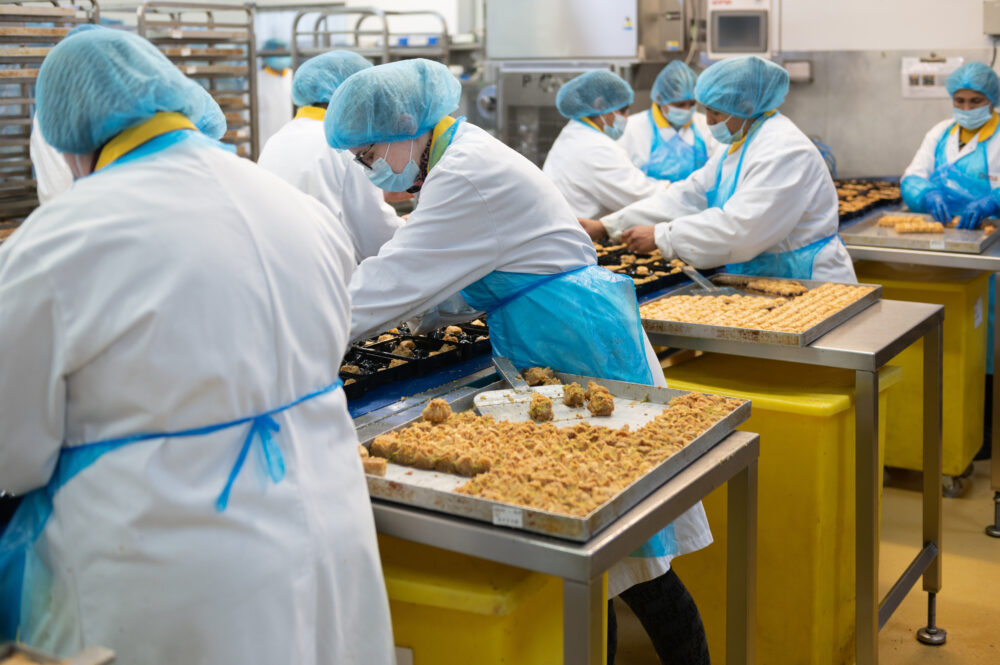
Dina Foods produces authentic Lebanese food, specialising in Khobez (the Lebanese flatbread), as well as a variety of other flatbreads and traditional handmade baklawa. It also makes an array of savoury foods, such as houmous, kibbe, falafel and vine leaves, which together form the traditional Lebanese starters, Mezza. Dina Foods was founded in 1992 by Souheil Haddad and his brothers, Amin, Samir and Fadi Haddad. It is a family run business, where the Haddad brothers put their passion for food and feeding the masses into their vocation. However, their story doesn’t start there.
Amin and Souheil’s combined restaurateur experience and passion for Lebanese food meant that they were pivotal in popularising Lebanese cuisine in London. The Haddad brothers were inspired to bring their own Lebanese roots to the UK and open a Lebanese restaurant in 1982 called Fakhreldine in Mayfair. It could accommodate up to 220 covers and very quickly Fakhreldine became the place to eat for authentic, tantalising and traditional Lebanese food. It attracted many esteemed visitors and celebrities from around the world. Souheil managed the front of house, welcoming guests and dealing with the management of the business. Fadi was trained and mentored in the kitchen by Amin as a chef, while Samir worked front of house. With their reputation of generosity, and delicacies that were made with pride, the restaurant soon became a destination venue, often with clients waiting, in their masses, for a table.
One of the unique concepts behind Fakhreldine, was that as soon as a guest arrived, the kitchen would be alerted and the chefs would produce on demand warm, freshly baked Lebanese bread, Khobez, so that it would be ready for them when they sat down at their table. This would then be served with olives and salad, followed by ‘Mezza’- Lebanese starters.
Dina Foods was established and continues to operate on two main pillars: credibility and integrity. Credibility because although Dina Foods was founded in 1992, the basis of the business goes back to 1982 when Fakhreldine opened and the brothers built their reputation for producing generous, authentic Lebanese delicacies. When the Haddad brothers sold the restaurant, their vision was to be able to deliver the flavours of the Middle East straight to consumers’ homes and Dina Foods has therefore become an extension of their restaurant. The four brothers have been driven to deliver credible Mediterranean flavours, based on the time-honoured recipes that have been handed down over generations.
How long have you been operating in Park Royal?
Dina Foods started off as a smaller bakery, producing and distributing traditional Mediterranean bread and baklawa around the UK to shops and restaurants. The factory was initially located in Hackney, East London. As the company expanded, it was clear that the factory size was also going to have to expand as well, and so Dina Foods relocated to their current site in Park Royal, West London, in 1999 and now operates in three dedicated factory spaces.
How many employees do you have?
Dina Foods currently employs around 150 members of staff.
What are Dina Foods most important baklawa, sweets, pastries and cake?
As one of the leading baklawa producers in the UK, Dina Foods works with authentic recipes that have been handed down through generations. Our premium range of traditional baklawa is made using carefully selected ingredients and contains no artificial colourings or palm oil. We produce this range using bespoke equipment to guarantee consistency without compromising on quality. Our chief confectioners oversee the entire process to ensure the delivery of a superior product, made according to time-honoured recipes.
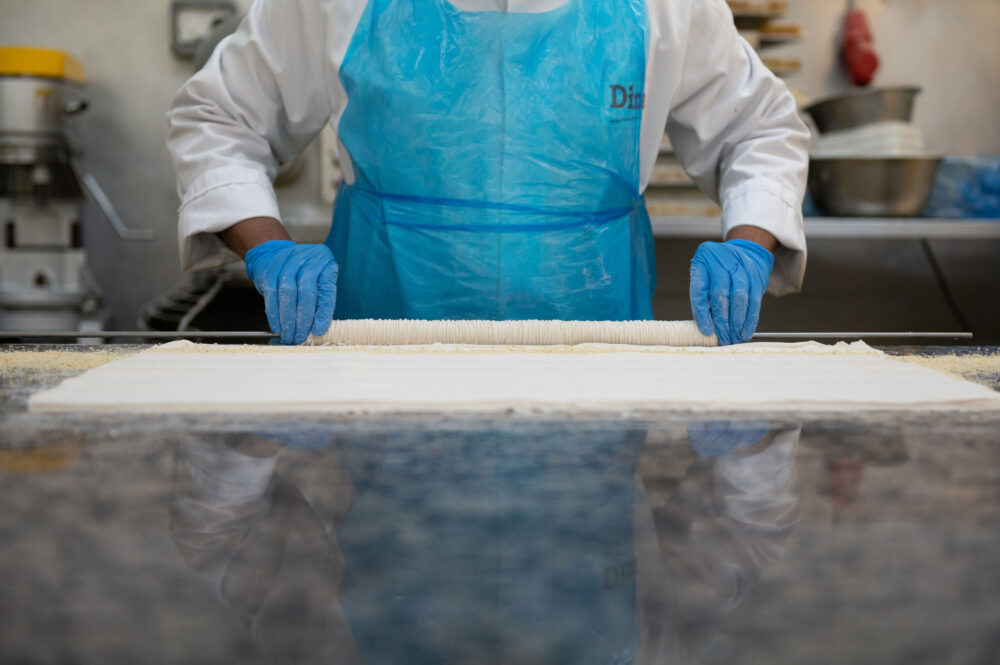
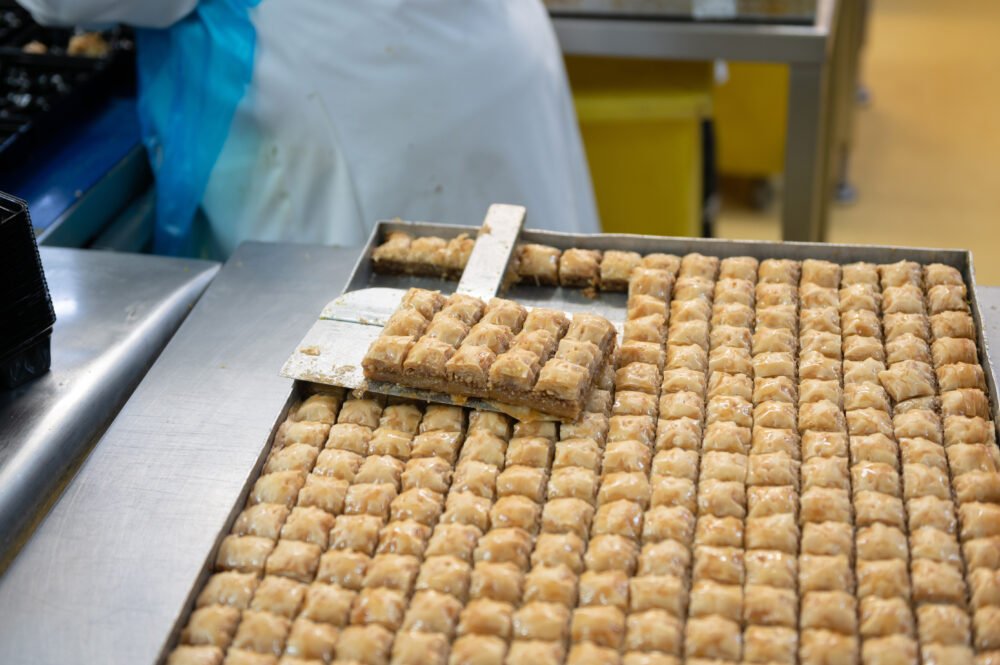
Each handcrafted piece of baklawa is made of layers of paper-thin filo pastry around a generous mix of crushed nuts and enriched with syrup. The provenance of ingredients is paramount: from the British flour, used to create our own paper-thin filo pastry to the selection of superior nuts.
The factory can manufacture 560 kg of baklawa an hour and presently makes about 27 varieties of this filo dessert. Dina Foods’ handmade baklawa range gives a few imaginative twists to authentic Mediterranean recipes. Delicious options include chocolate enrobed baklawa, or baklawa layered with apricots or cranberries.
Our premium indulgent sweets assortments include pistachio baklawa, cashew bourma and fruit selections such as cranberry or apricot baklawa.
What else does Dina make?
Dina Foods has three dedicated sites. As well as producing confectionery, one of the sites is a bakery and the other the savoury kitchen. All sites have BRC accreditation.
The bakery range includes a wide variety of Middle Eastern flatbreads, pitta breads, ethnic breads such as naan, chapatti and methi thepla. Dina Foods’ range also includes sourdough, lavash and village lavash, a yeast-free flatbread, made with a mix of white and wholemeal flour. Dina Foods’ versatile two-layer Paninette® flatbread is a best-seller.
Dina Foods recently introduced the Tasty Goodness® range, which includes a sourdough pitta in recognition of a growing demand for healthy options in the bakery market and the product is proving very popular.
The extensive range of bread products are baked around the clock at Dina’s bakery and delivered daily to foodservice businesses, as well as local, national and international retailers. Dina Foods also bakes to freeze and for long-life packaging.
The savoury kitchen creates a wonderful array of Lebanese food, such as houmous, kibbe, falafel and vine leaves. In 2020 Dina Foods attained Vegan Society registration for its Lebanese, Sweet Potato, Green and Beetroot Falafel, Lebanese, Greek and Beetroot Houmous, Babaganoush, Lebanese traditional aubergine salad Rahib, Vine Leaves, Potato Kibbe, Spinach Fatayer, Vegetable Sambousic and Pumpkin Kibbe.
How important is your baklawa, its heritage and the origins of your recipe at Dina Foods?
The history of this delicacy is unfortunately not very well documented. Some historians have traced the origins of this sweet (or a variation of it) back to the ancient Roman and Byzantium periods, evolving over time to the baklawa that we now know, which was most likely developed by the Ottoman's. Many different countries have their own ways of preparing this sweet treat, such as the Greek, Turkish and Middle Easterners. The dessert varies somewhat from country to country. Whether you call it baklava or baklawa, the one thing which the historical sources are all in consensus on, is the combination of ingredients that are used to create it: layers of flaky filo pastry, chopped nuts, butter ghee, drizzled with sugar syrup to create a tantalising and moreish sweet.
When the Haddad brothers sold the restaurant in 1990, their vision was to be able to deliver the flavours of the Middle East straight to consumers’ homes and an important component of this is the production and distribution of baklawa. Sweet and crunchy baklawa are traditionally offered to friends and family at times of celebration, and are perfect at afternoon tea, alongside a morning coffee or as a snack at any time of the day.
Does Dina Foods export its products?
The Dina Foods products are sold across the UK to retailers, wholesalers, foodservice businesses and airlines. In addition, products manufactured by the company are exported to 18 European countries.
Dot Laser
Unit 4.9 Chandelier Building, 8 Scrubs Lane, London, NW10 6RB
How was Dot Laser established?
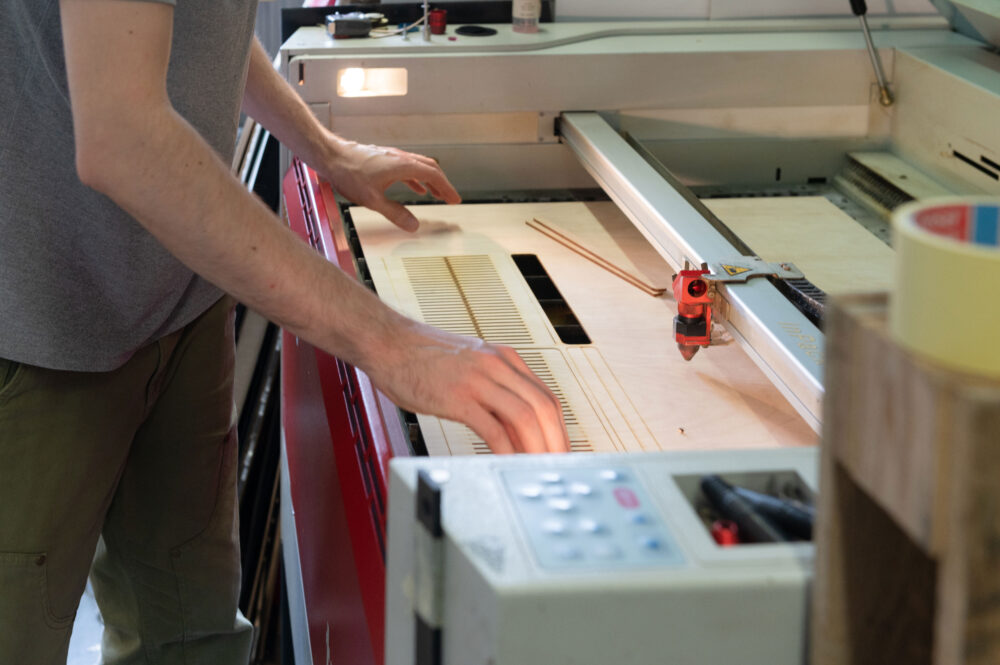
I [Lukas Grobel] set up Dot Laser as a creative design studio, back in late 2014, together with my business partner. There were just two of us with passion to design and create usable things using laser cutting techniques, based on our experience gained over years in the design industry.
Because my background is in graphic design and my general approach to problem solving is, 'how does it work?' it was easy for me to combine these two elements into the idea of offering services to people –creative individuals and businesses – that stand out among others competitors.
We understand customer needs and advise to achieve the best results, whether we need to laser cut a one-off design or manufacture thousands of units.
How long have you been operating in Park Royal?
We have been in the Park Royal area since the beginning. We thought this would be a great place to start, as there were no laser cutting companies in North West London at that time.
There are lots of creative businesses around here that we have helped with projects. There are fashion designers, model/props makers, window and store display fabricators, interior designers and many other creative people from different backgrounds that need this type of services offered locally. That's why we are here :)
How many employees do you have?
Since we opened this small business I didn't think of expanding into a bigger company. After my business partner left I hired one employee to fulfill the empty space and this is how we still operate, focusing on quality and the detail of each project. Being such a small business means we can't afford any mistakes or miscommunication. Despite the small team, after seven years in the industry we are happy with what we have achieved - the best measure of that is our returning customers.
What are the specialist skills of your operation?
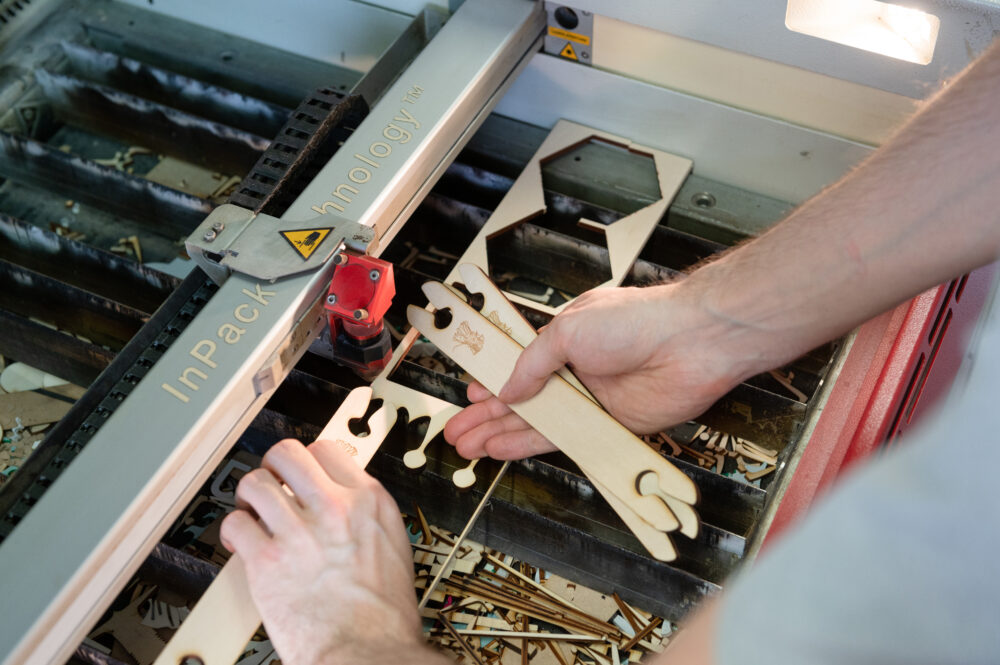
We offer exceptional and friendly services and this is what drives us. It's never boring here and everyday is different. One day we can work on a fashion project, cutting intricate artwork on fabrics, before engraving apples for an apple cider companies marketing event. Later on we print beautiful wedding invitations on clear acrylic for a local designer. The variety of work is just mind-blowing. It's a fast paced environment and sometimes gets quite stressful but after all it is all about to getting the job done. Good organisation skills are a must for sure but also real help comes from modern technology. We use state of the art machines - they can run non-stop without any issues. Hardware is a really important part of this business. Speed and ease of use are great help when dealing with a large number of jobs. You can really appreciate that in the long term.
What are some of Dot Laser’s most important tools and processes?
Since we invested in a UV printer, back in 2017, we have been able to print on almost any material: glass, plastics, wood and metal. The most popular items to brand on are environmentally friendly water bottles and cups. Those are going in thousands of units. We also print small batches on airpods, sunglasses, cosmetic packaging, mobile cases, electronic clocks and many other business oriented gifts.
What is a popular job request at Dot Laser?
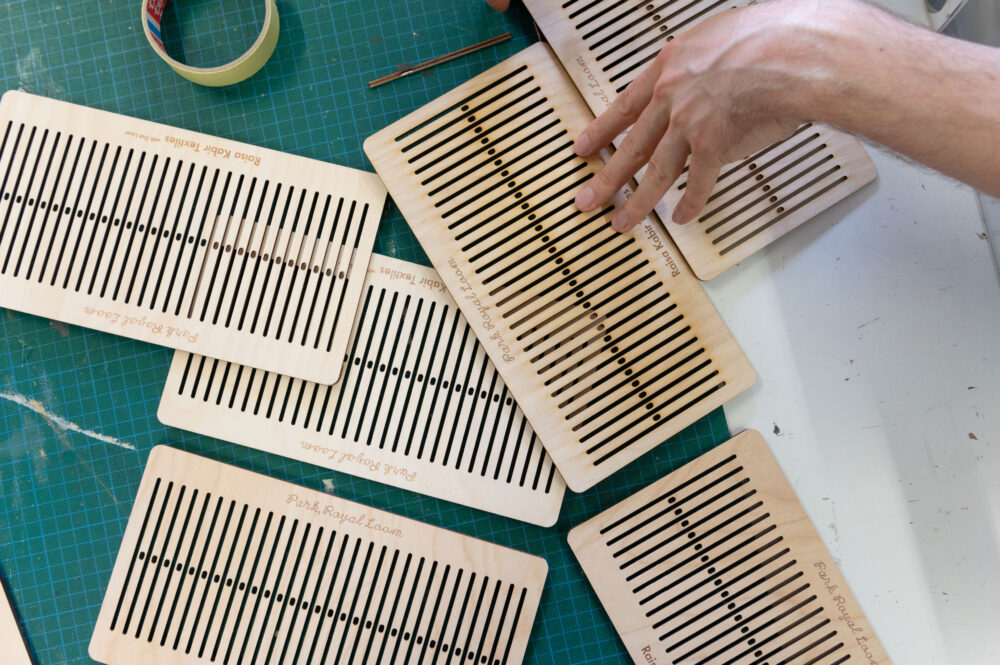
Over the past couple of years many industries have faced changes and are starting to introduce eco-friendly materials when designing new products. There is no difference in our case. That's why we offer sustainable materials like plywood, cork or recycled acrylic.
For example, we have a retail customer who uses only environmentally friendly materials such as bamboo and recycled acrylic to make in-store displays and flat pack furniture. Generally I see that businesses want to say 'goodbye' to non-recyclable materials and we are proud to be part of this change and offer services based on sustainability.
Does Dot Laser export any products?
Most of our work is made for the UK market, however occasionally we send our products to the US, Europe or Singapore. We source our raw materials right here, from the UK suppliers.
DYN-Metal Ltd
25-29 Chase Road, London, NW10 6TA
Can you tell us about DYN Metal, its history and its origins as a processed bronze manufacturer and foundry?
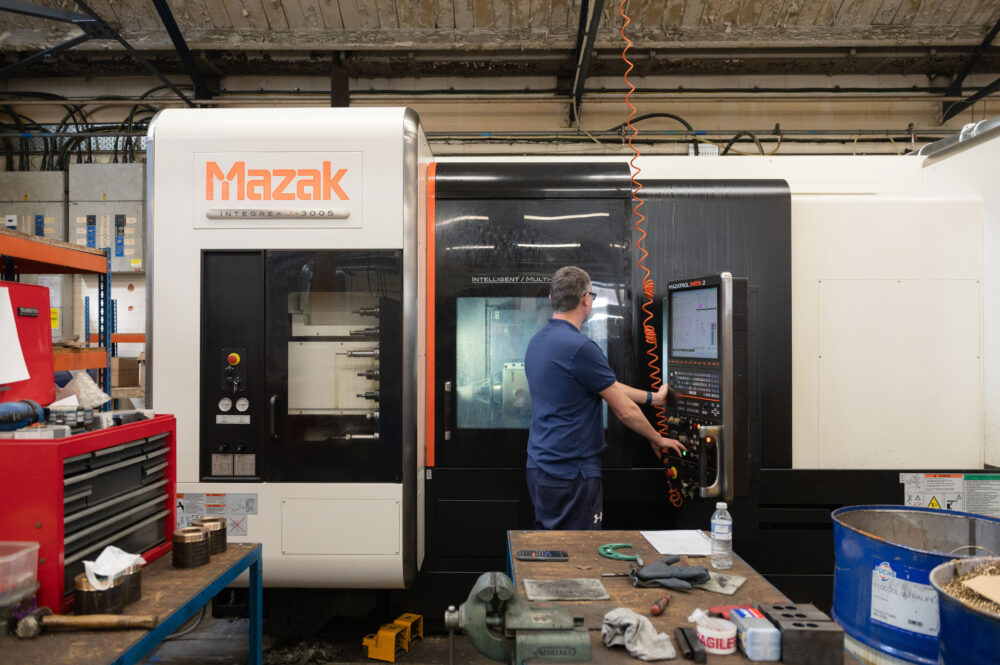
DYN-Metal was founded in 1937 after the discovery of the DYN process to enhance the performance and longevity of standard bronze alloys. The office and works were initially located in two separate locations – the office in Victoria, London and the works underneath the railway arches in Camden Town. Initially we only manufactured DYN processed bronze and brass ingots, supplied to large foundries in the rest of the UK for further casting and machining. Centrifugal casting machines and at a later stage a continuous casting facility were added to the foundry once we had moved to our current Park Royal location in 1977. At the Camden Town location we had already several manual lathes. In 1983, we purchased the first CNC machine and started expanding our machine shop facilities. All furnaces were switched to modern induction furnaces in the early 1990s and crucial investments have been made to stay competitive in a changing market. In the early 90s we also invested in a computerised office, a MRP system and ISO 9001 certification. In the 2000s we heavily invested in expanding our machining capacities with a DMU 200, capable of machining parts up to 2.4m in diameter. We now have 14 state-of-the art CNC turning and milling machines by Mazak and DMG. We recently also invested in a larger centrifugal casting machine, expanding our casting and machining capacities even further.
How long have you been operating in Park Royal and why Park Royal?
DYN Metal moved from its initial location - office in Victoria, London and works in Camden Town under the railway arches – to Park Royal in 1977. By the 1960s Camden Town location had become increasingly outdated and the decision was made to move to Park Royal. As you may imagine, operating a foundry underneath railway arches is far from ideal. Although the proximity to Euston station had the benefit of being able to quickly ship ingots to customers in the North of England. The original site in Camden Town - now an attractive location next to the Regent’s Canal and around the corner from Camden Town tube station - has now been converted to a boutique hotel. Park Royal offered us the space to expand and to build a modern foundry to last for the coming decades. Similar to Camden Town, Park Royal is also slowly changing from what used to be a site of heavy industry to warehouses and, increasingly, residential developments. The HS2 station currently being built and high rises surrounding North Acton tube station are a very different site from what Park Royal used to be in the 1970s.
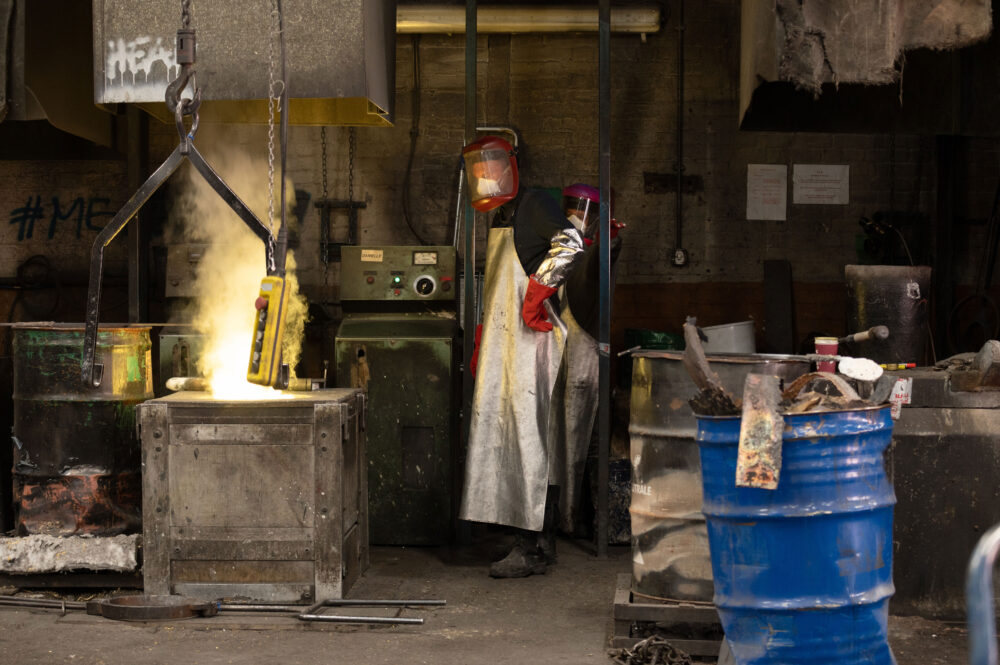
As one of the last heavy industries in Park Royal, we are conscious of reducing our environmental footprint. Our emissions stack is tested regularly and approved by the council. As a foundry and machine shop, we are also in the fortunate position to truly recycle all metal waste. All metal shavings are kept strictly separate by alloy and then can be added in the foundry back to the system and turned into a new product. As a major electricity consumer in the area, we have now switched to renewable energy.
How many employees do you have?
We currently have around 25 employees working from our Park Royal works and office.
What are the specialist skills of your operation?
Our two departments have very different, but highly specialised workforces. We are one of the last remaining foundries in London and as such our foundry workers retain crucial skills in handling molten metal. Our machinists are all highly skilled and able to produce impressive machined parts, supplied to many blue-chip companies throughout Europe.
Can you tell us about some of your most important products/ processes?
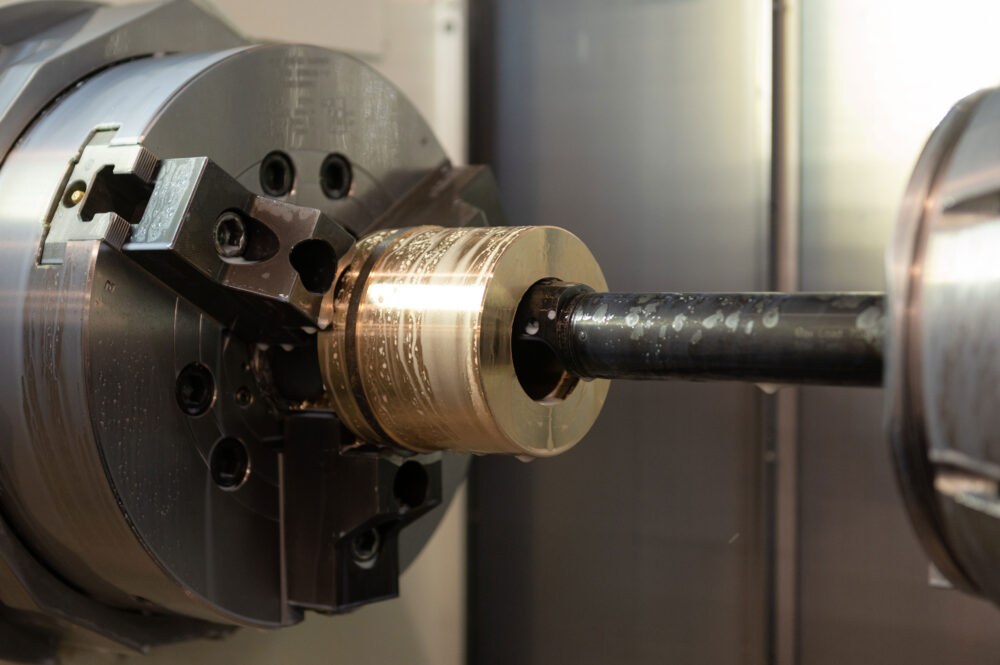
All DYN bronzes are manufactured and processed in-house at our Park Royal works. DYN processed bronzes offer genuine and measurable advantages over standard British, European and American bronze grades. Chemically and mechanically, DYN bronzes appear similar to their respective common counterparts, but distinguish themselves through their performance, longer wear life, longevity and superior service. This is achieved through a special process conducted in-house, which gives our bronzes a finer grain structure. It is this structural change and realignment which gives our bronze its unique properties.
What is popular and always on order at DYN Metal?
Our bronze alloy DYN GZ14 is by far our most popular grade. It is a highly versatile phosphor tin bronze that lends itself tremendously to most wear applications. We stock larger quantities – as rod, tube and rectangular bar. Our customers appreciate our quick turnover for time critical jobs and breakdowns. Our high-quality products, customer service and flexibly is what distinguishes us from the competition and enables us to compete, despite operating from a high cost environment close to Central London.
Where do you import/ export to and from?
Around 60% of our production is exported to the EU. We only have very few customers outside of Europe.
Saboon Alee
86 Hollydale Road, Peckham, London, SE15 2TH
What is the history of Saboon Alee?
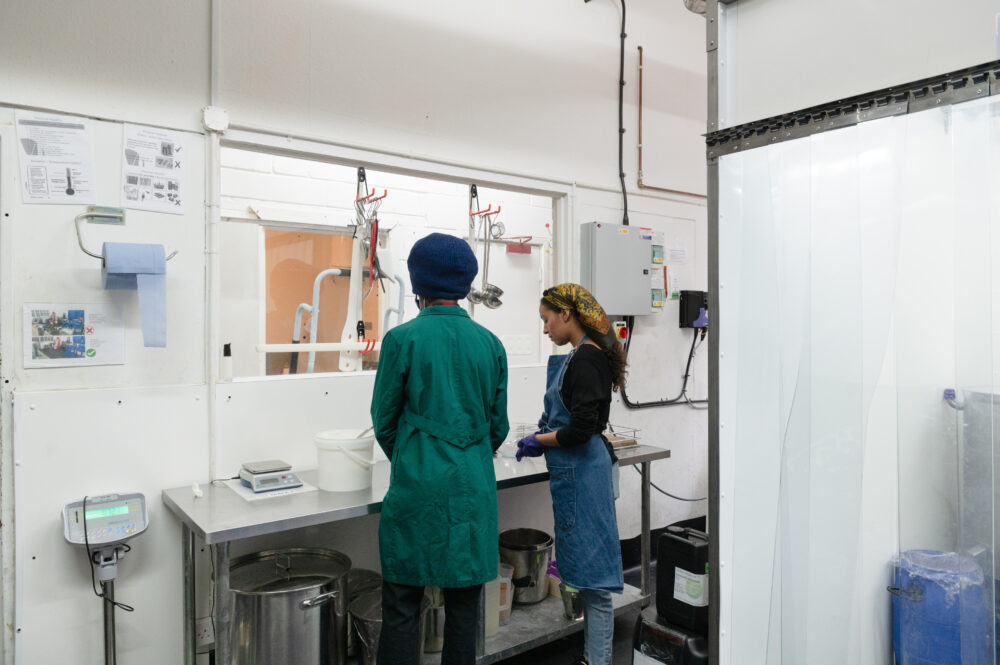
Saboon Alee is a family business that is spearheaded by father and daughter duo Ali and Shazza. Our name means ‘Ali’s soap’ in Arabic, which pays homage to our Sudanese heritage.
Ali's knowledge and passion for traditional skincare methods are deep-rooted. He used to watch his grandmother hand make Neem soap, and use fragrant blends of oils to cleanse and beautify herself in his home country of Sudan.
When he moved to the UK, he started working at Neals Yard Remedies and continued to do so for over 20 years. During this period, Ali began developing his own style, drawing on traditional Sudanese methods and contemporary training, such as artisan soap making in Saint-Privat, Southern France.
Ali began making soap in his spare time and, noticing how he combined oils so effortlessly to create beautifully balanced bars, friends and family encouraged him to start selling his own creations.
In 2014 Ali and Shazza started selling soap on market stalls in London, becoming stallholders at a number of regular and seasonal markets over the years. We now have a range of soap, oils and skincare products in a number of independent shops around London and the South East as well as on our website and our Etsy store.
How many employees do you have?
Father and daughter duo (Ali and Shazza) take the lead with running the business, however all family members help out from time to time.
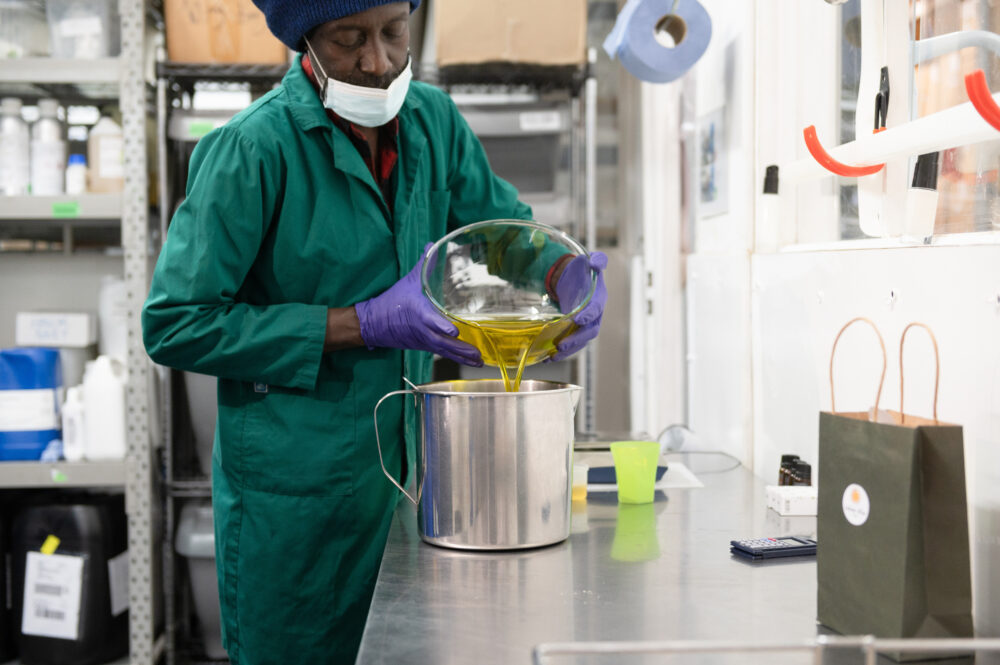
Ali is an expert in manufacturing organic skincare products, and so he formulates, manufactures and produces all of Saboon Alee's products with the utmost care from start to finish. He is also in charge of quality control, safety and environmental issues.
Shazza takes the lead on most of the other duties - that is finances, communication, branding, marketing and social media.
The rest of the family also help out in areas such as accounts and finances, legalities, photography, social media and staffing the market stalls.
What are the specialist skills of your company?
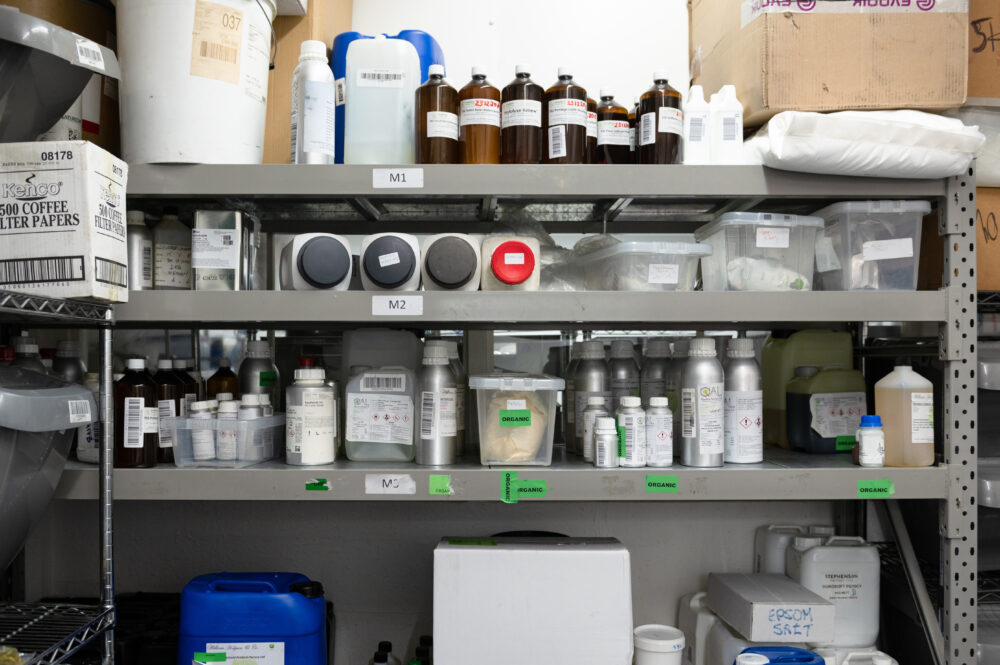
We are experts in artisan soap making and manufacturing organic, handmade cosmetics using high quality, ethical ingredients. All of our products are handmade in small batches with love, care and attention to detail.
Ali was born and raised along the White Nile in Kosti, Sudan and Shazza was born and raised in South London. So our creative ideas, formulas and business style are inspired by our Sudanese heritage fused with London city living.
We also aim to inspire people to take a holistic approach to wellness, by using products with oil blends that not only benefit the skin, but also have uplifting effects on the mind and body.
What are Saboon Alee’s most important products and processes?
Our most important products are our soaps which we have been selling since we founded the company in 2014. We currently have seven fragrances, which we are looking to expand on in the next few months. We have also recently started producing luxury body and facial oils.
There are different methods of making soap, however, we believe that the traditional cold process method is the best way to make high quality products. Passed down through generations, this method, where the ingredients are combined and formulated from scratch, creates moisturising and long lasting bars of soap. One of the main benefits of this method is that the unique properties of the natural base oils (coconut, olive and shea) and of the essential oils, are better preserved than in hot process soap making techniques. The soap is cured for up to 4 weeks, which allows the soap to set, and the scent to intensify. This process adds to the overall quality and longevity of the soap.
Our soap has been featured in Stylist Magazine, and mentioned in a number of articles about sustainable, black owned or self-care businesses. We recently collaborated with Nourish Skincare to produce a brand new Bergamot and Cardamom exfoliating soap, the first soap in their range.
What is popular and always in demand at Saboon Alee?
As a soap business our products are always in demand, especially as soap bars are making a comeback for a number of reasons! We have a variety of soap fragrances which all have different properties and everybody has their own favourite scent. For example, our lavender soap is relaxing and soothing and great for sensitive skin, whereas our tea tree soap is effective for problem skin and acne.
We aim to be as ethical and zero-waste as possible - we use sustainable ingredients and wrap our bars in plastic-free packaging. Our bars are multi-use and are suitable for use on the hands, body and face. They are extremely long-lasting, great for travelling too, and so they are perfect for those trying to live a more eco-friendly lifestyle. We also have an exciting range of face, body and massage oils coming soon.
Does Saboon Alee export its products?
We are UK based and mainly sell to customers within the UK through our online platforms and stock in independent shops in London and the South East. We also occasionally receive orders from customers in Europe and worldwide. Going forward we are working towards steady growth and expansion whilst maintaining our core values of sustainability and quality in our skincare products. We want to satisfy both our loyal and new customers, support people's wellbeing and provide moments of calm in a fast-paced world.
West London Food Innovation Centre
University of West London, St. Marys Road, Ealing, W5 5RF
What is the history of the West London Food Innovation Centre
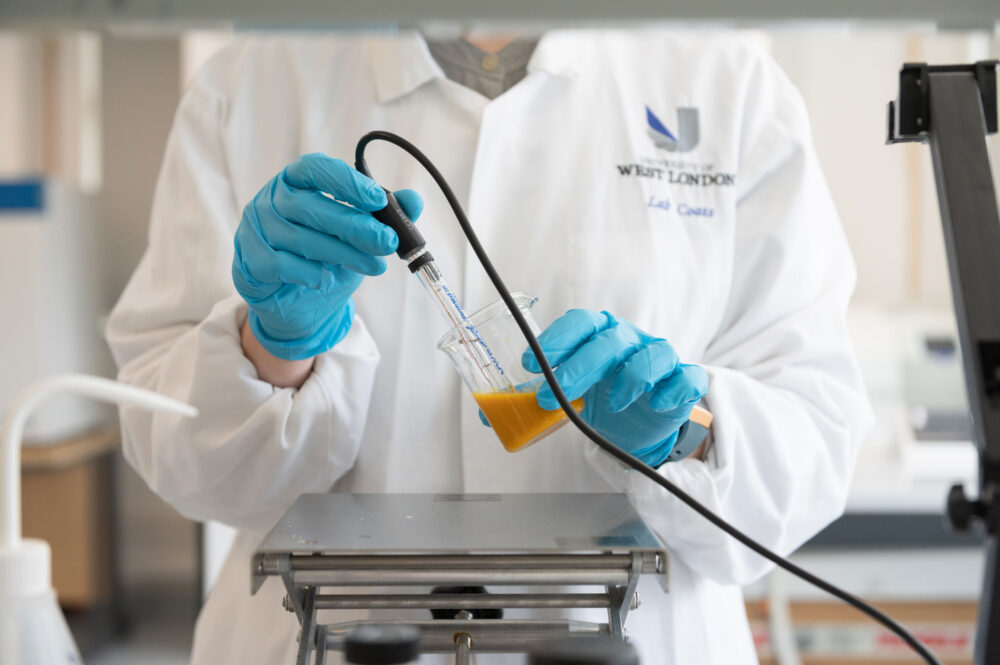
The West London Food Innovation Centre was established in 2017 with the support of the European Regional Development Fund. The centre offers state of the art facilities, which include a product development kitchen, sensory analysis booths with controlled lighting and an extensive technical laboratory.
We are always here to support the food and drink manufacturers of Park Royal in developing their concepts and ideas into innovative commercial products.
How many employees do you have?
Two.
What kind of processes does the West London Food Innovation Centre employ?
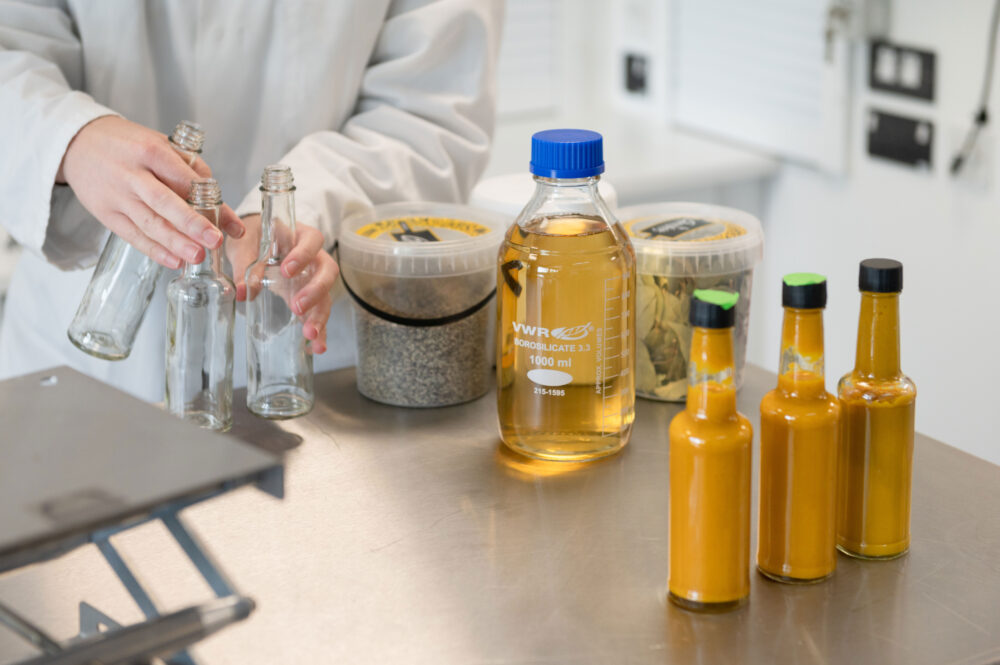
We help food and beverage companies across various categories, with a growing emphasis on plant-based snacks and beverages. We support companies with concept development, product development, reformulation of existing products and many other complimentary services such as shelf-life analysis, technical assistance (texture analysis, ingredients specifications, water activity) sensory analysis and links to pilot plant facilities.
Who are your customers?
We support many food and beverage customers originating from different backgrounds whether it’s a start-up or small to medium enterprise (SME) right through to established companies.